“There Are Truths That Cannot Be Spoken — So I Will Sing Them”:
How Taylor Swift’s ‘Voices from the Past’ Shook Hollywood to Its Core
This song was never meant to be just a song.
On February 1, Taylor Swift sent shock waves through Hollywood and far beyond when she performed her self-written track “Voices from the Past.” Within just a few hours of its release, the song had already surpassed 88 million views, igniting a global conversation that extended far outside the boundaries of music. 💥
For an artist known for her emotional subtlety, careful privacy, and calculated public silence, this moment marked a radical departure. “Voices from the Past” was not a love song, not a breakup anthem, and not a nostalgic reflection. It was something far more dangerous: a direct confrontation with power, silence, and secrets buried for decades.
And the timing was not accidental.

The Pages That Changed Everything
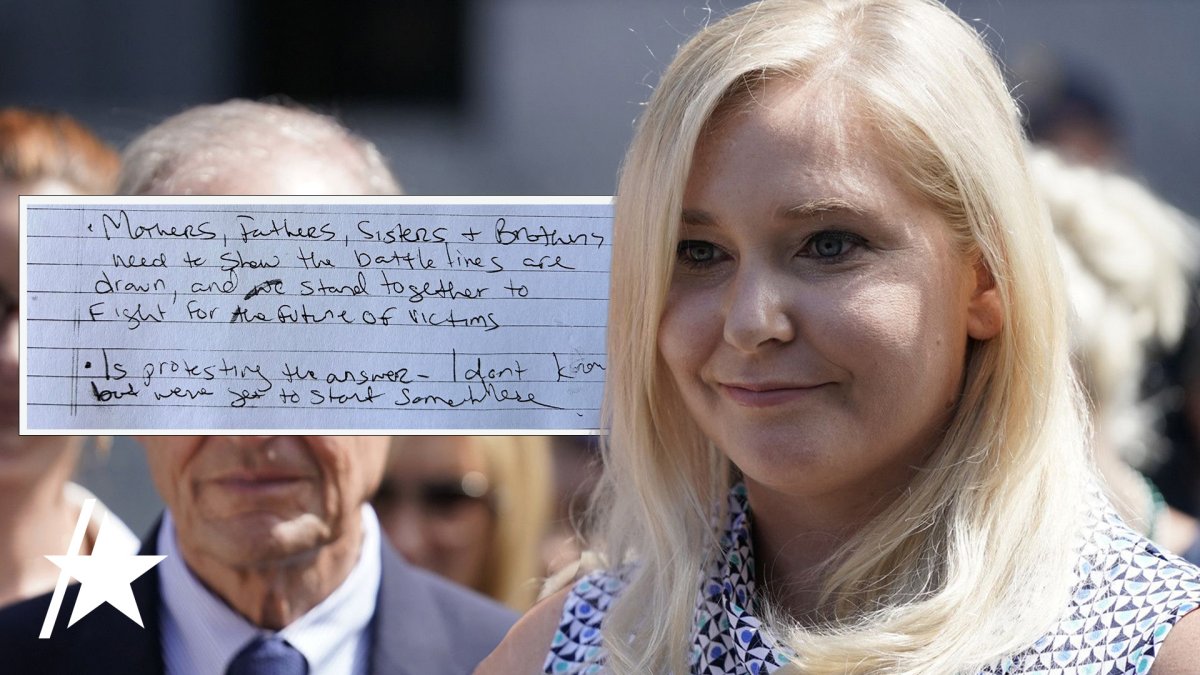
Just hours before releasing the song, Taylor Swift finished reading the final pages of Virginia Giuffre’s haunting memoir. Those who know Swift’s creative process understand that she rarely speaks impulsively. She absorbs. She reflects. And when she finally speaks, it is deliberate.
“Voices from the Past” emerged from that moment of reckoning.

The song does not mention names. It does not point fingers directly. Instead, it does something arguably more powerful: it gives voice to those who were erased, dismissed, or forced into silence. The lyrics echo with unresolved pain, interrupted lives, and truths that linger long after the world has chosen to move on.
This is not music meant to comfort. It is music meant to unsettle.
As one line circulates endlessly across social media: “History remembers the loudest voices — but I hear the ones they buried.”
“An Unsung Song the World Tried to Forget”
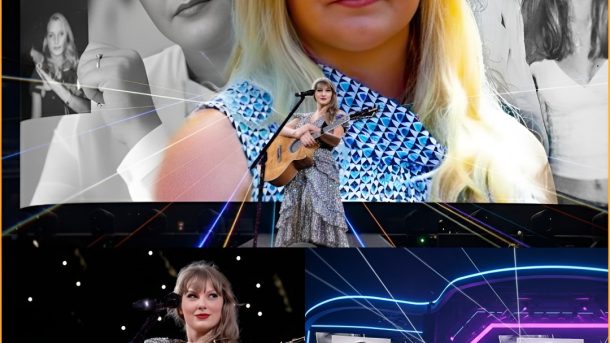
The impact intensified during a 32-minute livestream, broadcast shortly after the song’s release. Sitting alone, without spectacle or production, Taylor addressed millions directly.
She described Virginia Giuffre’s memoir as “an unsung song that forces the world to listen to what they tried to forget.”
The phrase landed like a verdict.
For decades, stories like Giuffre’s existed in the shadows — acknowledged quietly, discussed cautiously, and often dismissed publicly. Swift did not frame herself as a savior or a spokesperson. Instead, she positioned herself as a messenger, using the only language she fully commands: music.
Then came the announcement no one expected.

A $100 Million Statement
Taylor Swift revealed plans for a full album inspired by pain, silence, and the shadows of power — and confirmed she would invest 100 million dollars of her own money to produce and distribute it.
No corporate filter. No label pressure. No quiet compromises.
This was not just an artistic decision; it was a declaration of independence.
In an industry where silence is often rewarded and controversy carefully managed, Swift’s choice to self-fund such a project sent a clear signal: this album would not be shaped by fear of backlash or loss of access.
“This isn’t about charts,” she said. “It’s about truth surviving long enough to be heard.”

The Internet Erupts
Within minutes, the internet exploded.
Hashtags like #TaylorForTruth, #JusticeForVirginia, and #TheAlbumTheyFear surged to the top of global trends. Fans, journalists, artists, and activists dissected every lyric, every pause, every word from the livestream.
Some called it the bravest move of Swift’s career. Others labeled it reckless. Critics debated whether musicians should enter such charged territory at all.
But the numbers told a clearer story: millions were listening — not passively, but intently.
What unsettled Hollywood was not just the song’s popularity. It was the audience’s reaction. This was not escapism. This was engagement.
And engagement is harder to control.
Why Hollywood Is Paying Attention
Hollywood has weathered scandals before. What makes this moment different is who is speaking and how.
Taylor Swift is not an outsider. She is one of the most powerful cultural figures of her generation, with a global audience spanning demographics, continents, and political lines. When she chooses silence, it is noticed. When she chooses to speak, it becomes unavoidable.
By framing her response as art rather than accusation, Swift bypassed traditional defenses. There are no legal statements to counter. No interviews to spin. No single quote to discredit.
There is only the song — and the millions listening to it on repeat.
“So I Will Sing Them”
As the livestream ended, Taylor delivered the line that continues to echo across screens and headlines:

“There are truths that cannot be spoken — so I will sing them.”
In that moment, the room fell silent — and the internet did not.
Whether “Voices from the Past” marks the beginning of a larger cultural reckoning remains to be seen. But one thing is undeniable: the rules have shifted.
Music, once again, has become a weapon — not of destruction, but of memory.
And Hollywood is listening.