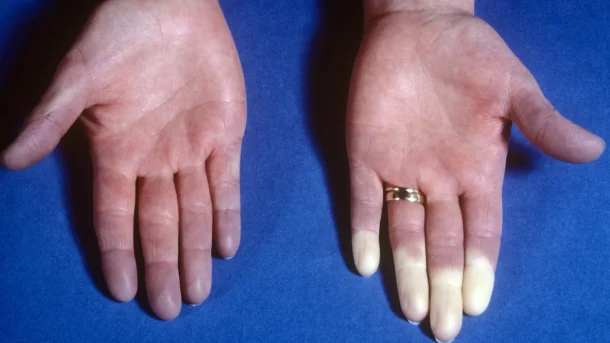
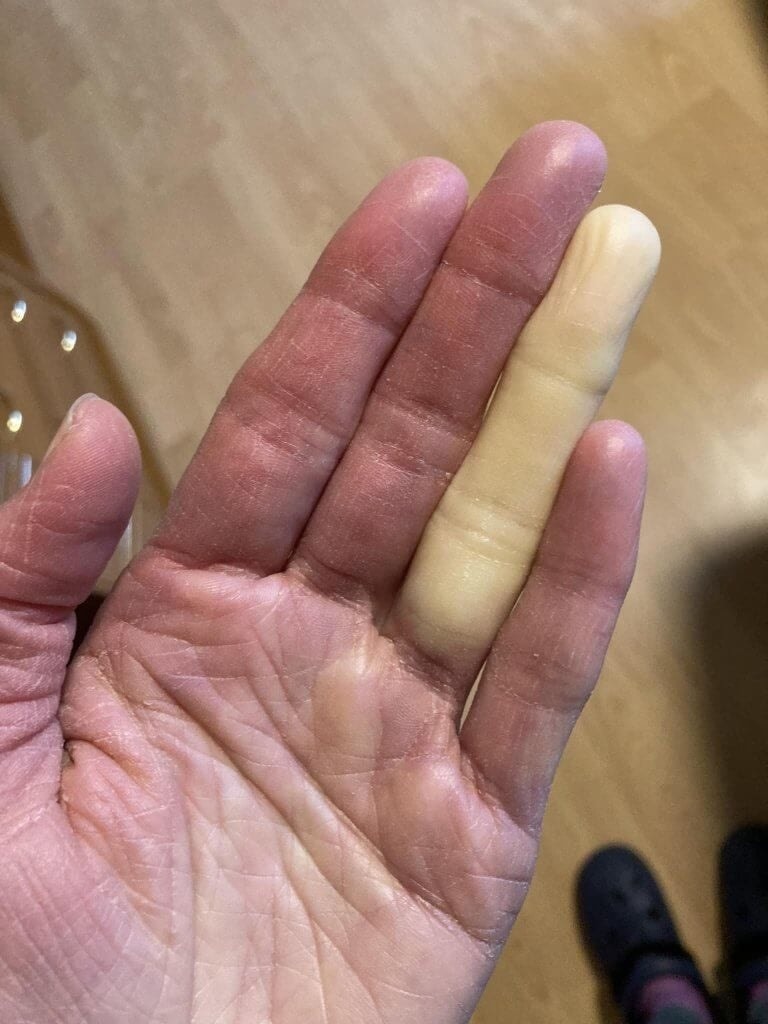
Raynaud’s disease is a circulatory condition where blood flow to the fingers and toes temporarily reduces due to spasms in small blood vessels. This reaction usually happens in response to cold temperatures or emotional stress. During an episode, the affected areas can change color—typically turning pale or bluish—and feel cold, numb, or tingling. When circulation returns, they may become red, warm, and even painful.
There are two main forms of Raynaud’s. Primary Raynaud’s occurs without an underlying illness and tends to be mild. Secondary Raynaud’s, however, is linked to other health conditions such as lupus, scleroderma, rheumatoid arthritis, or thyroid disorders, and can be more severe. Secondary cases may also lead to complications such as ulcers or sores on the fingertips due to prolonged lack of blood flow.
Several factors increase risk, including being female, living in colder climates, having a family history of Raynaud’s, smoking, and exposure to vibrating tools. Some medications—such as beta-blockers, migraine drugs, or certain cancer treatments—can also trigger symptoms.
Management involves lifestyle habits and sometimes medical treatment. The most effective step is keeping warm: wearing gloves, thick socks, layered clothing, and using hand warmers can help prevent attacks. Avoiding sudden cold exposure—like reaching into a freezer without protection—is recommended. Stress reduction techniques such as deep breathing, meditation, or regular exercise can lessen the frequency of episodes.
For some patients, medications that improve blood flow, such as calcium channel blockers, may be prescribed. These help widen blood vessels and reduce attacks. People with secondary Raynaud’s often need closer monitoring because their symptoms may signal more serious underlying disease.
Preventative habits are also crucial. Quitting smoking improves circulation, staying active helps keep blood flowing, and maintaining skin care reduces risks of sores and infection. If symptoms worsen, spread beyond toes and fingers, or lead to persistent ulcers, medical advice is necessary.
Although Raynaud’s can be uncomfortable, many people manage it well with awareness and simple daily practices. By recognizing triggers and protecting the body from cold and stress, most individuals can reduce flare-ups and maintain a normal, active life.