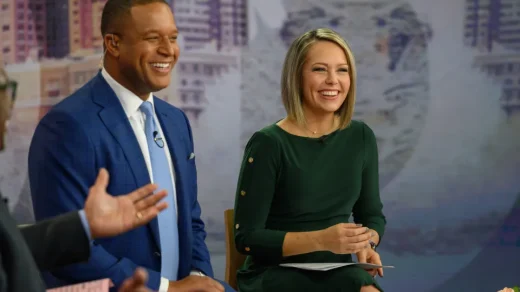
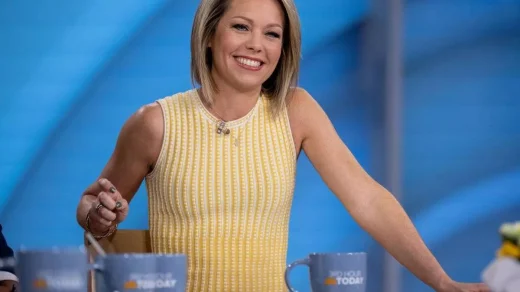
In a media landscape defined by noise, spin, and fleeting viral moments, few figures command attention quite like Jenna Bush Hager. The self-proclaimed “Queen of Morning Television” has spent the better part of 2025 dismantling the traditional broadcast hierarchy, consistently outperforming network stalwarts and reshaping the cultural conversation. However, recent weeks have seen the NBC host at the center of a different kind of storm—one characterized by intense political pressure, explosive on-air confrontations, and swirling rumors about her future. Now, breaking her silence in a move that has galvanized her massive fanbase, Hager has issued a “positive update” that is equal parts rallying cry and vulnerable admission: “I’m fighting, but I can’t do this alone.”
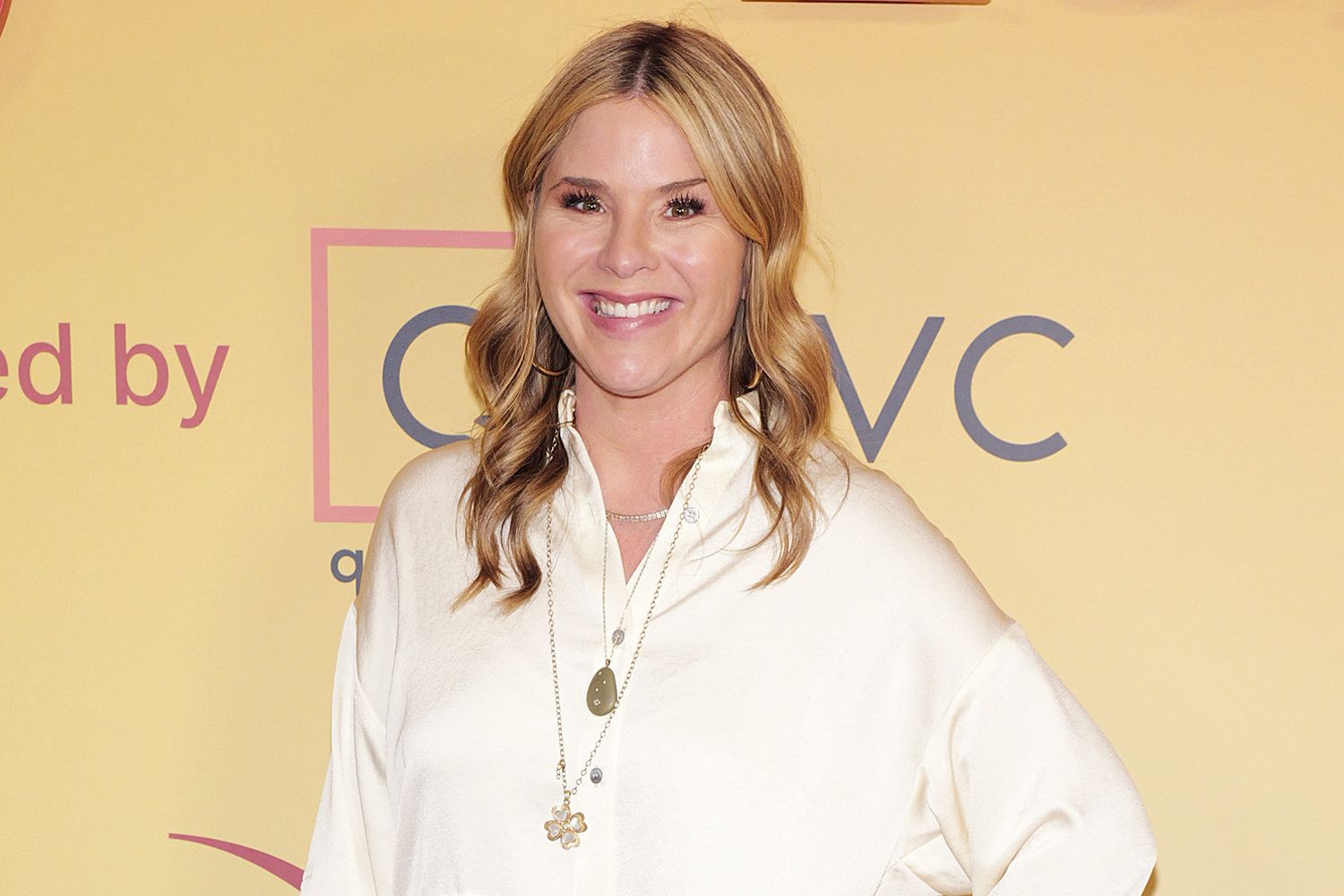
Jenna Bush Hager Unveils New Morning Show Tied to Personal Struggles
The Context of the Fight
To understand the weight of Hager’s latest message, one must look at the turbulent timeline of her recent months. The year 2025 has been a battlefield for the host. It began with confusion in January, when Hager was notably missing from her show, sparking widespread rumors ranging from health scares to secret suspensions. While she eventually returned, the atmosphere around her tenure has remained charged with electricity.
The tension reached a boiling point in September, following a series of heated debates that seemed to transcend the usual “friendly opposition” format. Viewers watched in shock as Hager engaged in a “nuclear” exchange with liberal co-hosts regarding political violence. The argument was raw, unscripted, and indicative of the deepening ideological chasm that Hager navigates daily. “We don’t care about your both sides argument. That s–t is dead,” Hager famously snapped, a moment that went instantly viral and drew lines in the sand.
But the pressure isn’t just coming from inside the studio. In a move that escalated the stakes significantly, political figures recently issued a public “final warning” demanding Hager’s suspension. The accusations were of fabricating stories and spreading misinformation, threatening FCC intervention—a direct attack on Hager’s career and the network’s operations.
A Message of Resilience
It is against this backdrop of internal friction and external threats that Hager’s latest update lands. For weeks, supporters have wondered how the host is handling the mounting crusade to deplatform her. Her statement, “I’m fighting, but I can’t do this alone,” serves as a stark reminder that even the most dominant figures in media are not immune to the sheer weight of cancel culture machinery.
The “fighting” Hager refers to is widely interpreted not as a physical health struggle, but as a battle for the soul of her platform. She is fighting to maintain a space where irreverence, satire, and independent thought can exist without being crushed by political mandates or advertiser boycotts. By labeling the update “positive,” Hager signals that she is not retreating. She is not apologizing. She is digging her heels in.
However, the admission that she “can’t do this alone” marks a rare moment of vulnerability. It is a direct appeal to the “Hager supporters”—the millions of loyal viewers who tune in every morning. She is acknowledging that in an era of institutional pressure, her power comes solely from the people. It is a request for continued viewership, engagement, and vocal support against those who wish to silence her.
The Industry War
Hager’s situation is emblematic of a larger war being waged across the American media landscape. Her success has long been a thorn in the side of the establishment. Having secured a multiyear contract extension in 2024, her position seemed unassailable. Yet, as the political climate heats up, so too do the efforts to neutralize her influence.
The feud with political figures is particularly telling. For a sitting political leader to demand the suspension of a cable news host via social media suggests that Hager’s commentary is striking a nerve that goes far beyond simple entertainment. It implies that her “satire” is viewed as a legitimate political threat by those in power.
Moreover, the dynamic on the show suggests that the “fight” is also about maintaining the integrity of honest debate. Her clashes with co-hosts, while uncomfortable for some, represent a refusal to accept narratives she believes are false. When she shut down the “both sides” argument regarding political violence, she was “fighting” against what she viewed as a moral equivalence that excuses extremism.
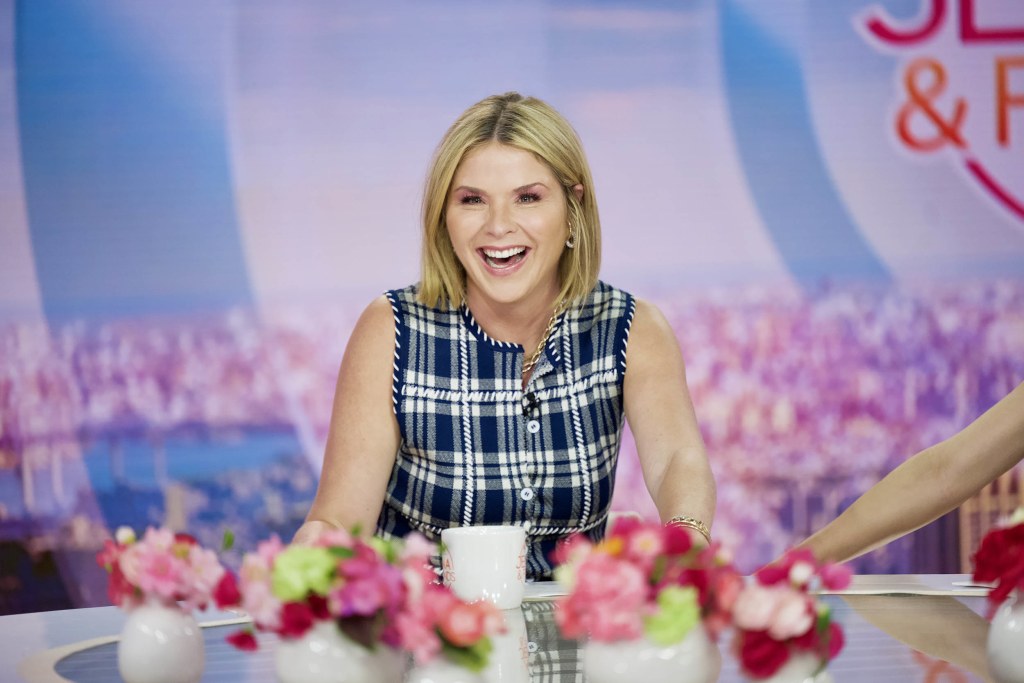
What Comes Next?
So, what does this “positive update” mean for the future? It likely signals a new phase in Hager’s career—one where she is more combative, more direct, and more reliant on her grassroots army of supporters. The “positive” aspect suggests that despite the “final warnings” from political figures and the on-set shouting matches, she is confident in her survival.
For the fans, the message is clear: The show will go on, but only if they hold the line with her. The “fight” is not just Hager’s; it is theirs. As the ratings continue to show her dominance, Hager is betting that the voice of the audience is louder than the demands of any politician.
As she continues to navigate this minefield, one thing is certain: Jenna Bush Hager is not going down without a fight. And judging by her latest words, she expects her audience to be right there in the trenches with her.
Check out this video for more context on the intense debates sparking this battle: Jenna Bush Hager blows up at co-host on the Morning Show
This video is relevant because it captures the exact moment of the heated argument between Hager and her co-hosts, illustrating the intensity of the “fight” she is facing on air.